
How to Store Your Veggies!
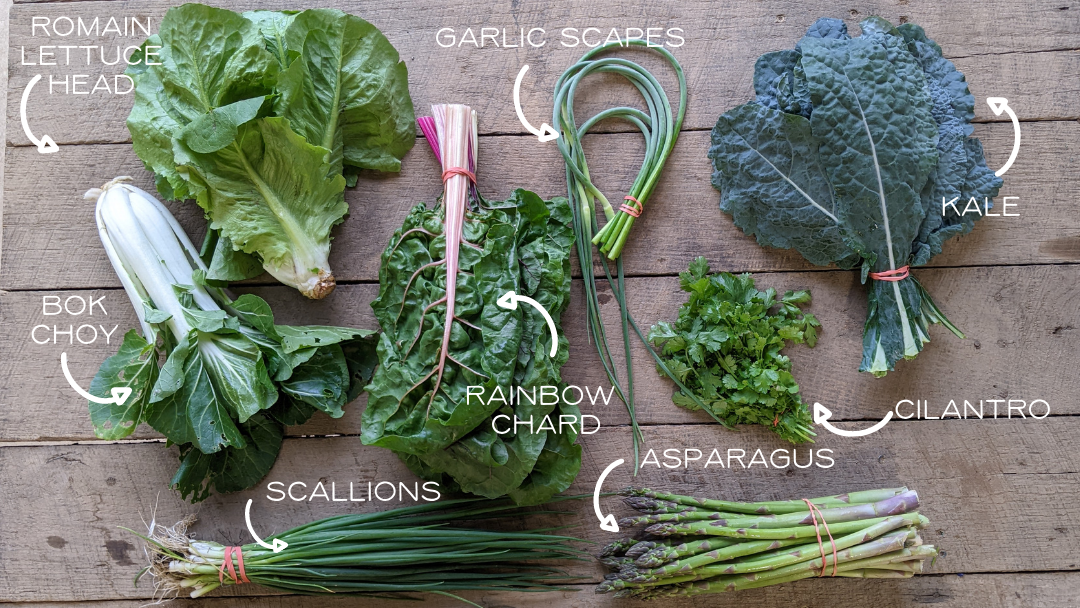
Proper storage of vegetables is essential for many reasons. If you store things properly they last MUCH longer, and you don’t have to rush to use them. Properly stored vegetables can often last 1-3 weeks and that means less food waste! Sometimes you have to make judgment calls on the best storage for various veggies depending on your home. Please note, we will refer to “room temperature” here a few times, and what the temperature of your room is depends on your circumstances and preferences. In a non-air conditioned home in the summertime, you may opt for refrigerating more items than those who keep their home cool. Likewise, those with super cold fridges might want to keep out items such as peppers and cucumbers to prevent them from getting too cold. Here are some of our top tips for storing your veggies like a pro.
1. Cut the edible greens from root crops like carrots, beets, turnips and radishes.
These greens are edible so you will likely want to cook them (think pesto!), but when you store them together the greens will drain moisture from the roots, causing them to get soft quickly. Remove the greens and store separately from the roots. Roots want to be stored dry in an airtight container; the greens prefer a bit of moisture or higher humidity in theirs!
2. Bag or jar it up!
Storing vegetables loose in the fridge is easy BUT it’s not the best way to store your produce. When putting your veggies away, store most of your veggies (especially your greens!) in plastic bags or glass containers in the fridge after you get home. Produce bags can be washed and reused!
3. Wash only what you plan to use.
Washing all at once would be efficient with your time, but we recommend washing only the amount of vegetables you are planning to use. Most veggies have a longer shelf life if they are on the dry side – especially mushrooms and salad! If you want to wash everything at once, store it with a towel in the bag to help absorb the water.
4. Remove rubberbands or twistie ties for better circulation.
5. Read your newsletter and use it to set priorities!
It's a good idea to take some time to read through the newsletter each week and mentally (or literally) sort all of the veggies based on what will expire fastest. This way you'll know what you should prioritize cooking first and what can wait.
6. Store fruits and vegetables separately!
The ethylene gas given off by fruit can cause faster spoiling in your vegetables. We recommend using one crisper drawer for fruit and the other for veggies!
7. Post a storage cheat-sheet on the side of your fridge.
We’ve also compiled a list of storage tips for specific vegetables you can find in our CSA throughout the year. Save these for the next time you’re unpacking your box to make sure you know where to store your veggies for maximum freshness!
Tomatoes
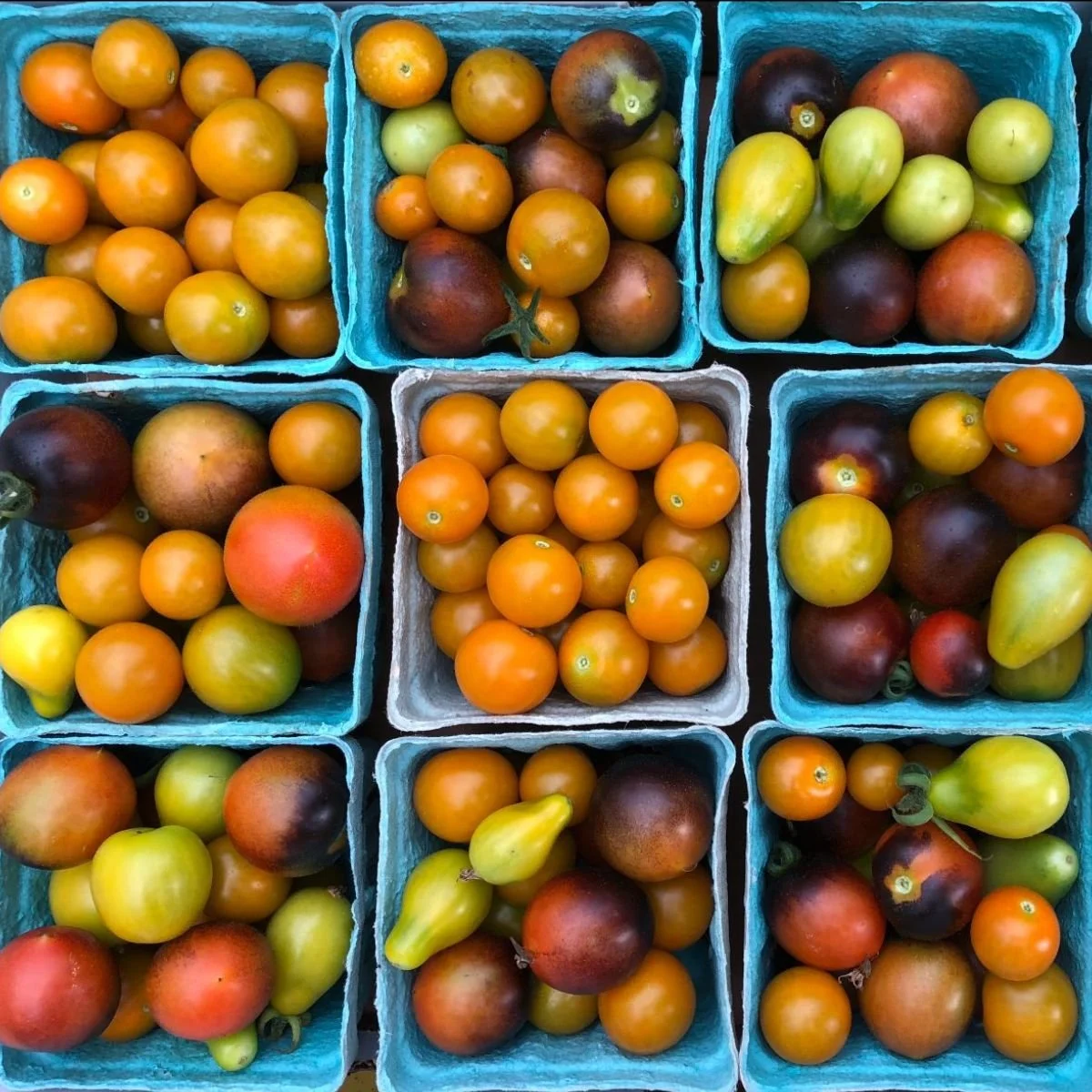
Tomatoes are best stored outside the refrigerator, at room temperature. Stored on the counter, tomatoes will continue to ripen. Once fully ripe, they should be eaten! If you slice into a tomato and don’t eat it all in one sitting, put the tomato in an airtight container in the fridge – that can look like plastic wrap on it, in a plastic bag or a glass jar. Tomatoes should also be ripened on the counter in a single layer to avoid bruising as they soften - even though we often send them in a quart container! Tomatoes stored in the refrigerator get mealy tasting which is why we strongly recommend keeping on the counter until fully ripe and then enjoying right away!
Mushrooms
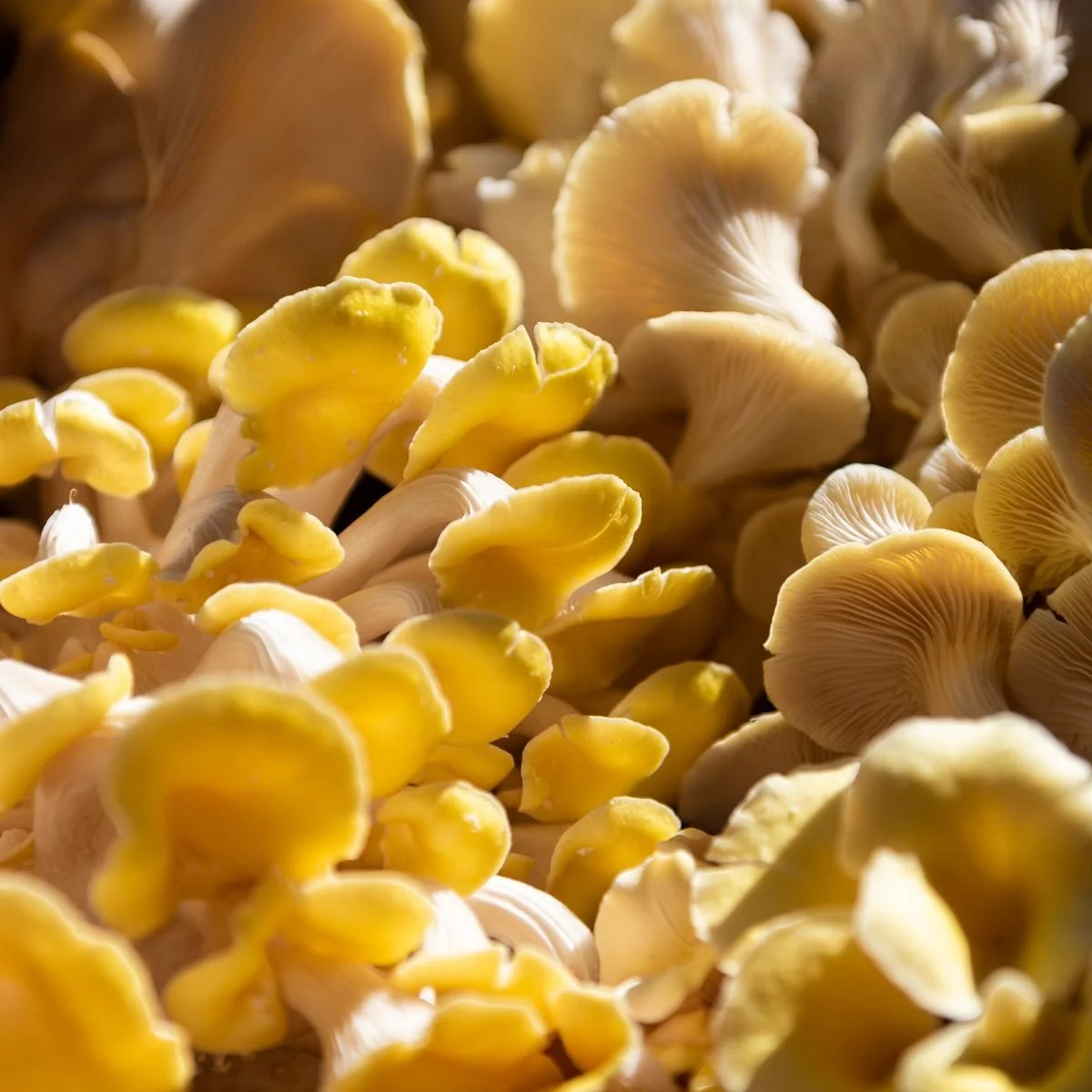
We recommend storing fresh mushrooms in your refrigerator in a closed paper bag! Crisper drawers work great as long as they don’t hold too much moisture. Mushrooms want to be stored dry and without light – these are one item you do not want to wash in advance because too much moisture will spoil them quickly.
Lettuce, Spinach + Arugula
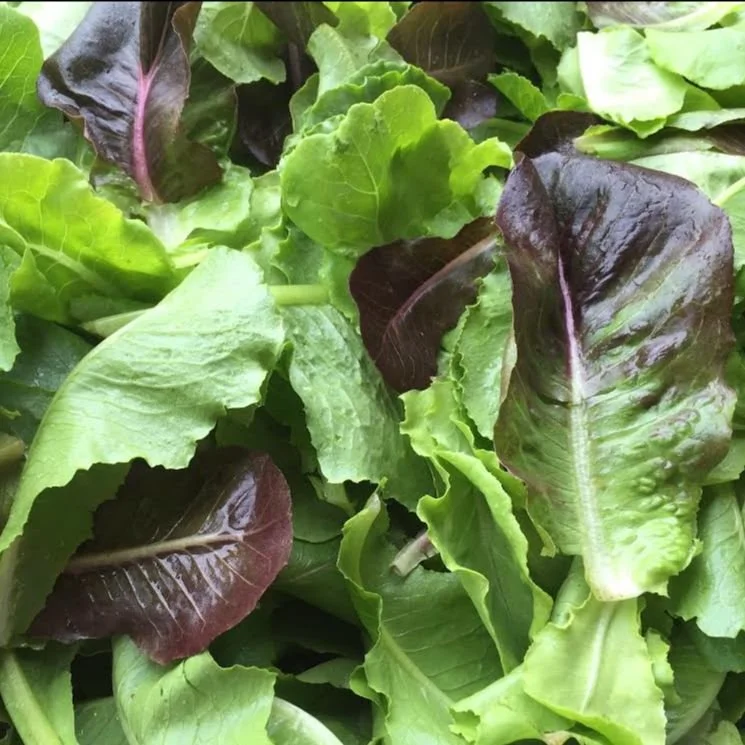
We recommend storing fresh mushrooms in your refrigerator in a closed paper bag! Crisper drawers work great as long as they don’t hold too much moisture. Mushrooms want to be stored dry and without light – these are one item you do not want to wash in advance because too much moisture will spoil them quickly.
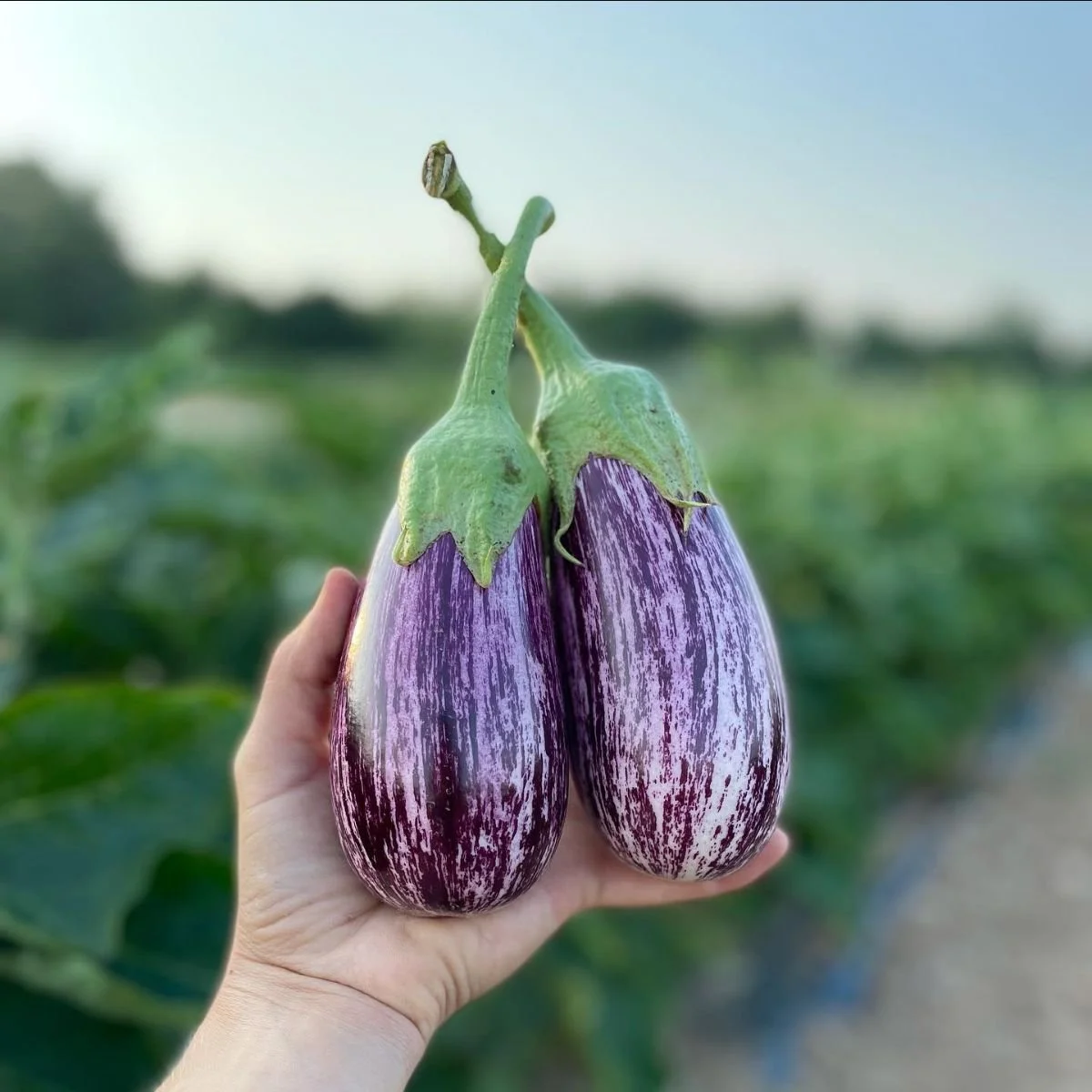
Eggplant
Eggplant is a little bit tricky to store because their ideal storage is around 54 degrees: colder than room temperature, and warmer than the fridge. They can get chill damage especially in a cold spot in the fridge (which often sits around 36-38 degrees), and they can spoil quickly in a home without air conditioning. For this reason, you may keep them in either place depending on your conditions! I find them best stored in the warmest part of my fridge during heat waves, or on the counter away from bananas and tomatoes (which are high ethylene producers) when temps are cooler.
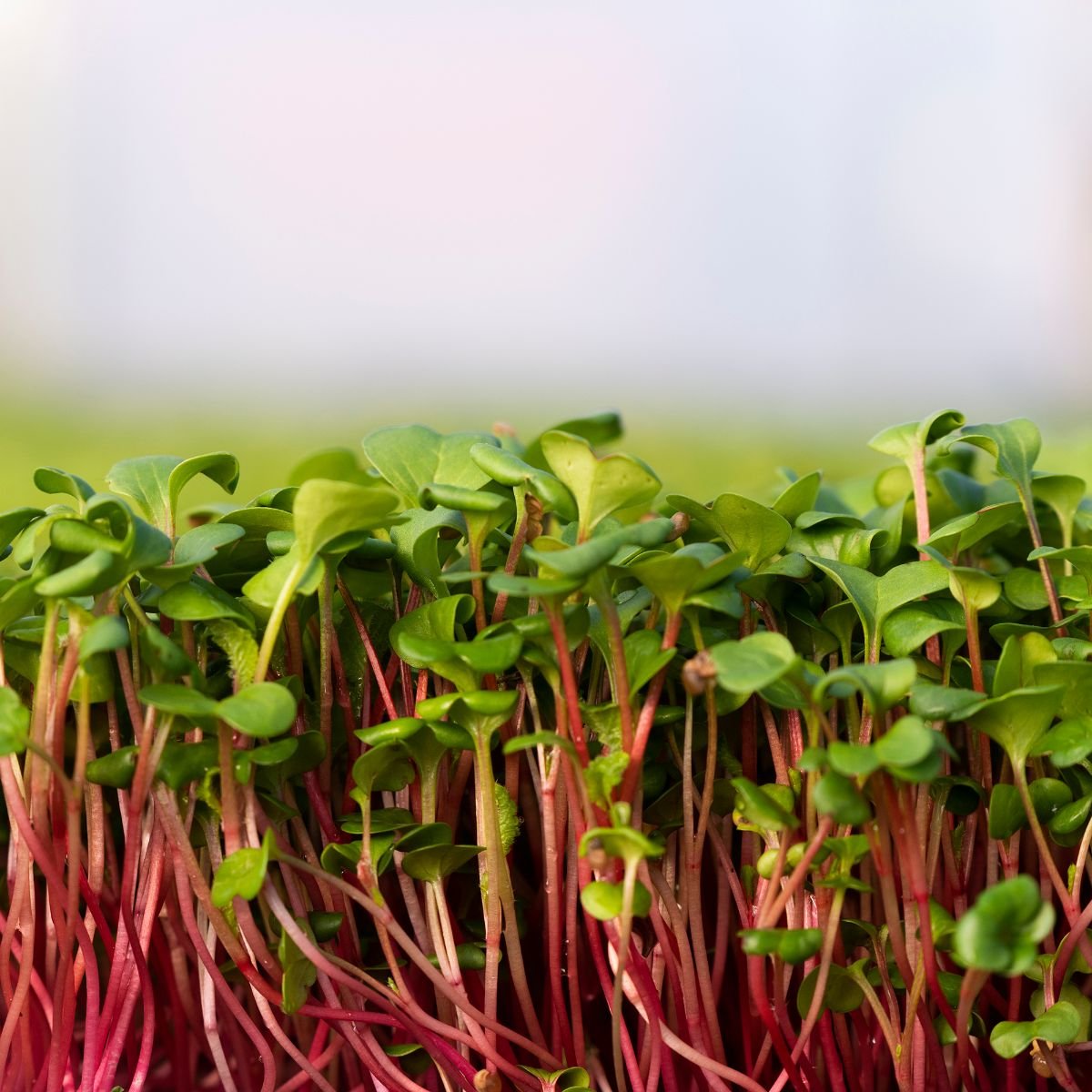
Microgreens
Microgreens should be stored dry in an airtight container in your fridge! Plan to feature them in your dishes in the first days following your veggie delivery to make sure they’re used in their prime.
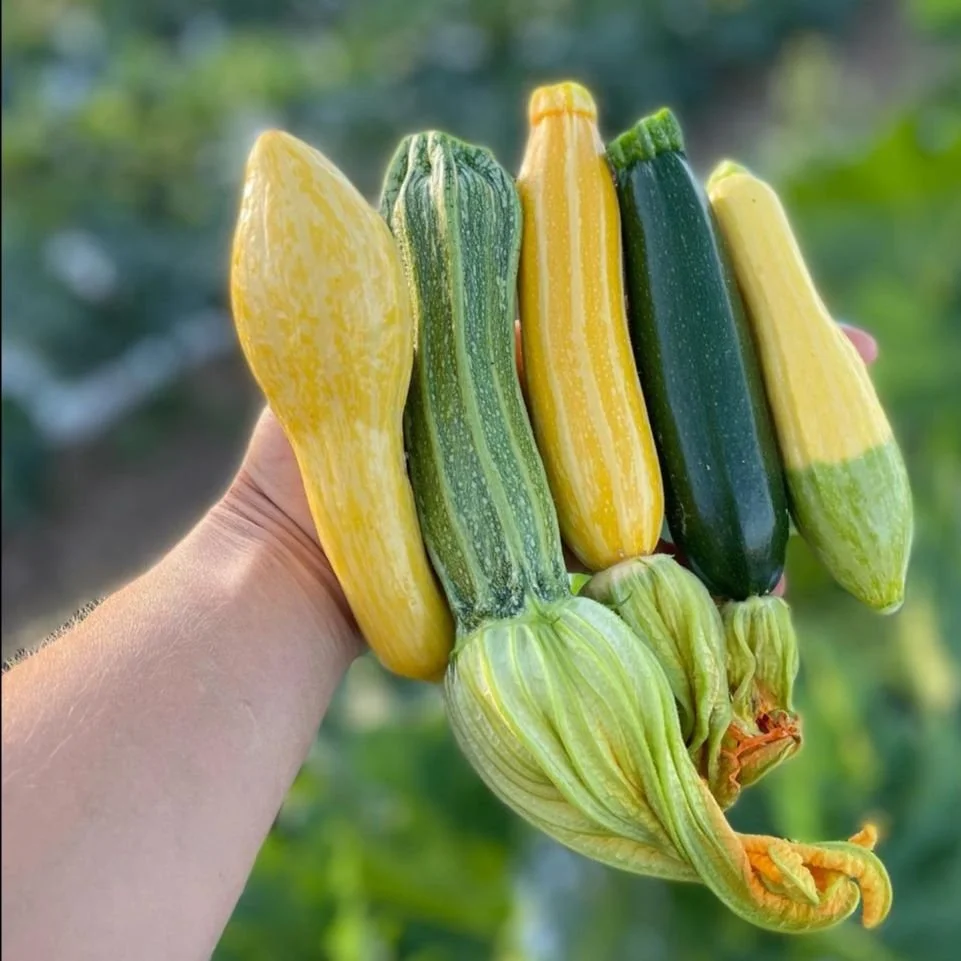
Cucumbers, Summer Squash + Peppers
These crops are similar to eggplant but actually a little LESS sensitive to the cold - with ideal storage conditions closer to 48-52 degrees. I often will store these on my counter which seems to beg me to use them, but if I know I won’t be able to use them, I’ll stick them in the warmest part of my fridge! These veggies ALL want to be kept dry – moist areas will cause quick spoilage – even the humidity of a bag will create too much moisture for them, so we usually keep them out of a bag.
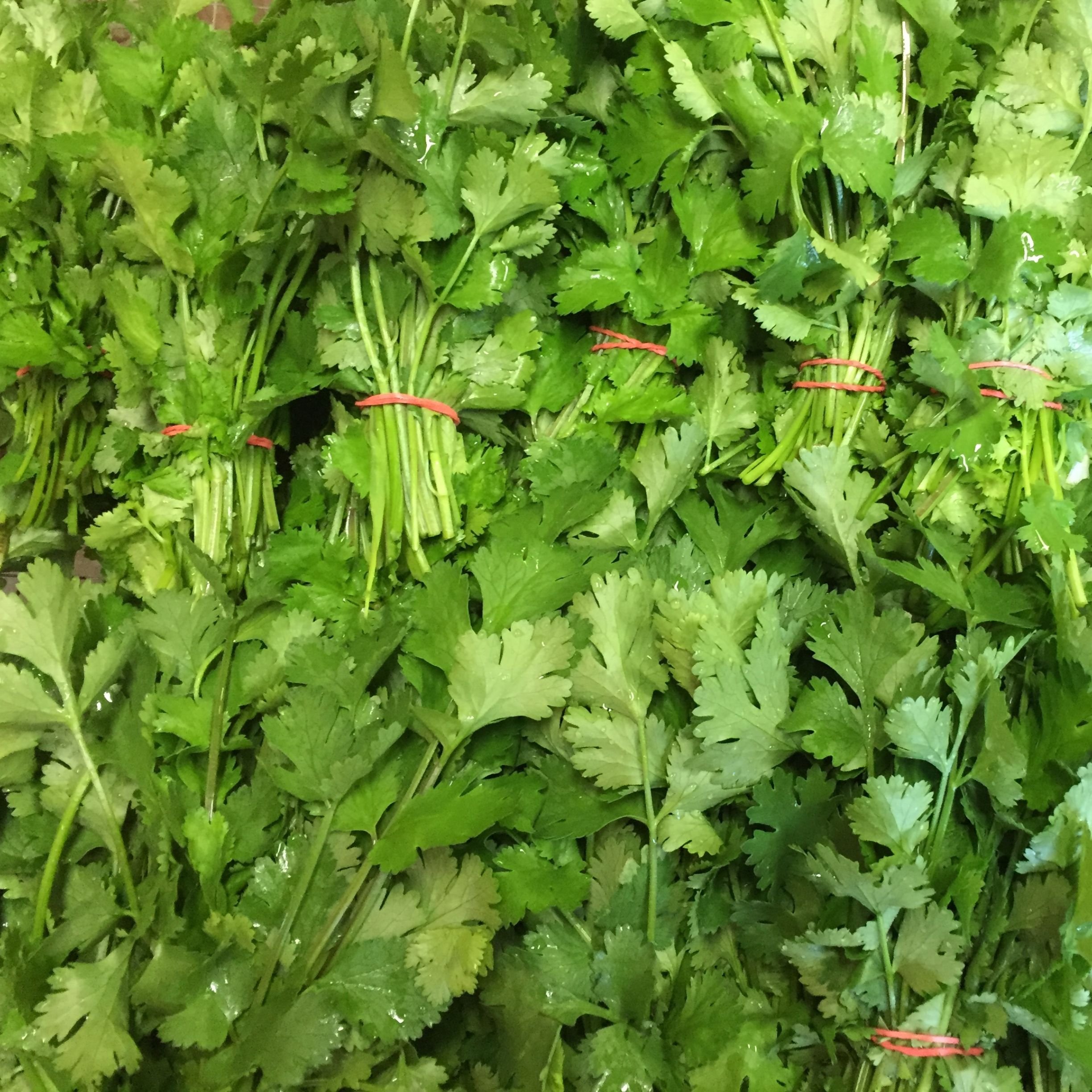
Fresh Herbs and Herb Flowers
Leafy herbs like parsley, dill and cilantro are best stored in an airtight container in the fridge - dry and clean. If you’re lucky enough to get herb flowers, we recommend keeping them in the fridge upright in water - just like a bouquet of flowers - and use these within 2-3 days.
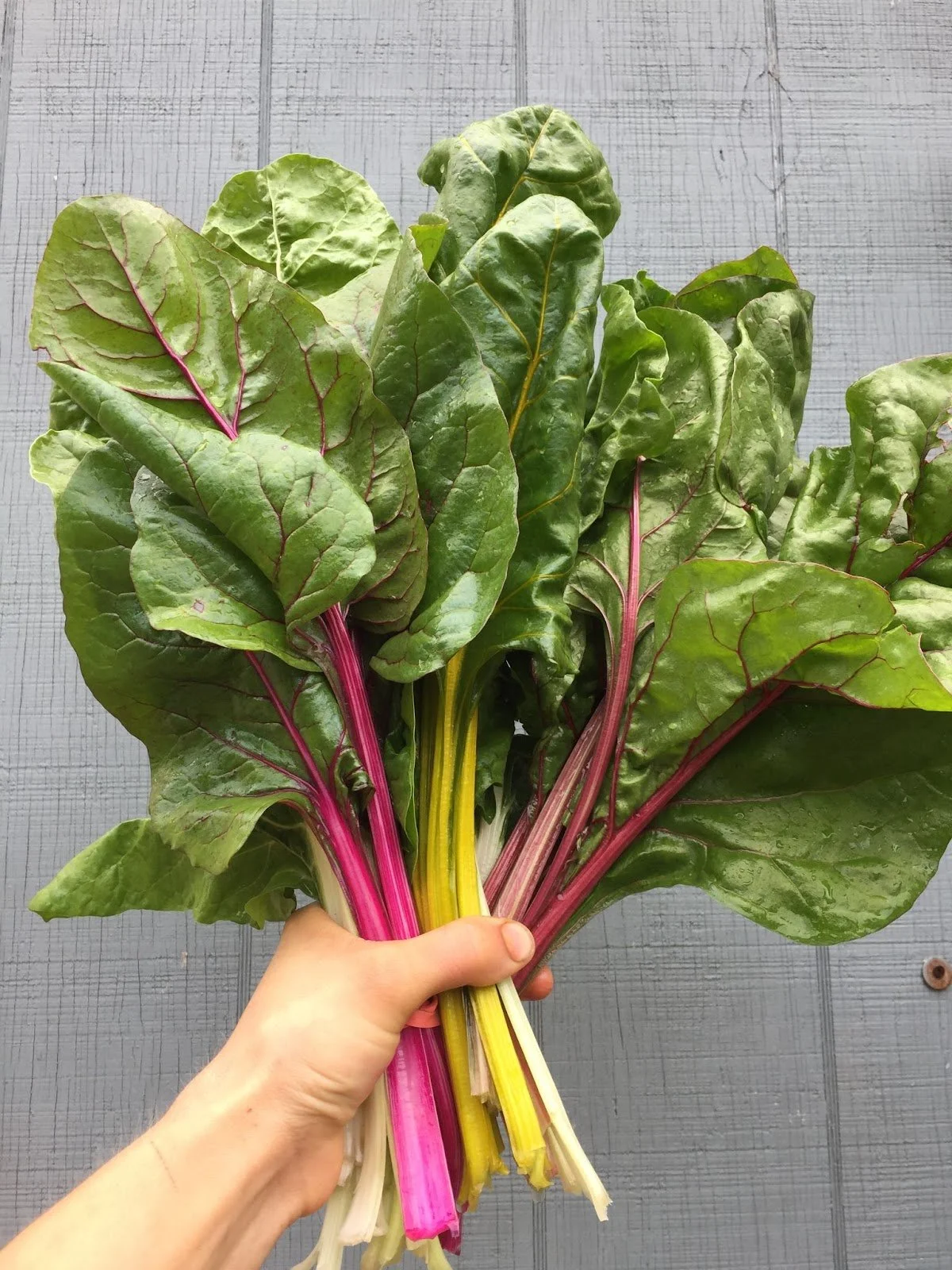
Kale, Swiss Chard + Collard Greens
The leaves are best stored with a bit of moisture and humidity in an open plastic bag in the crisper drawer. These are some that are okay with being washed and then stored – just make sure they are not sitting in water. I wash, shake, and pat them with a towel (sort of like drying your hair after a shower) before storing.
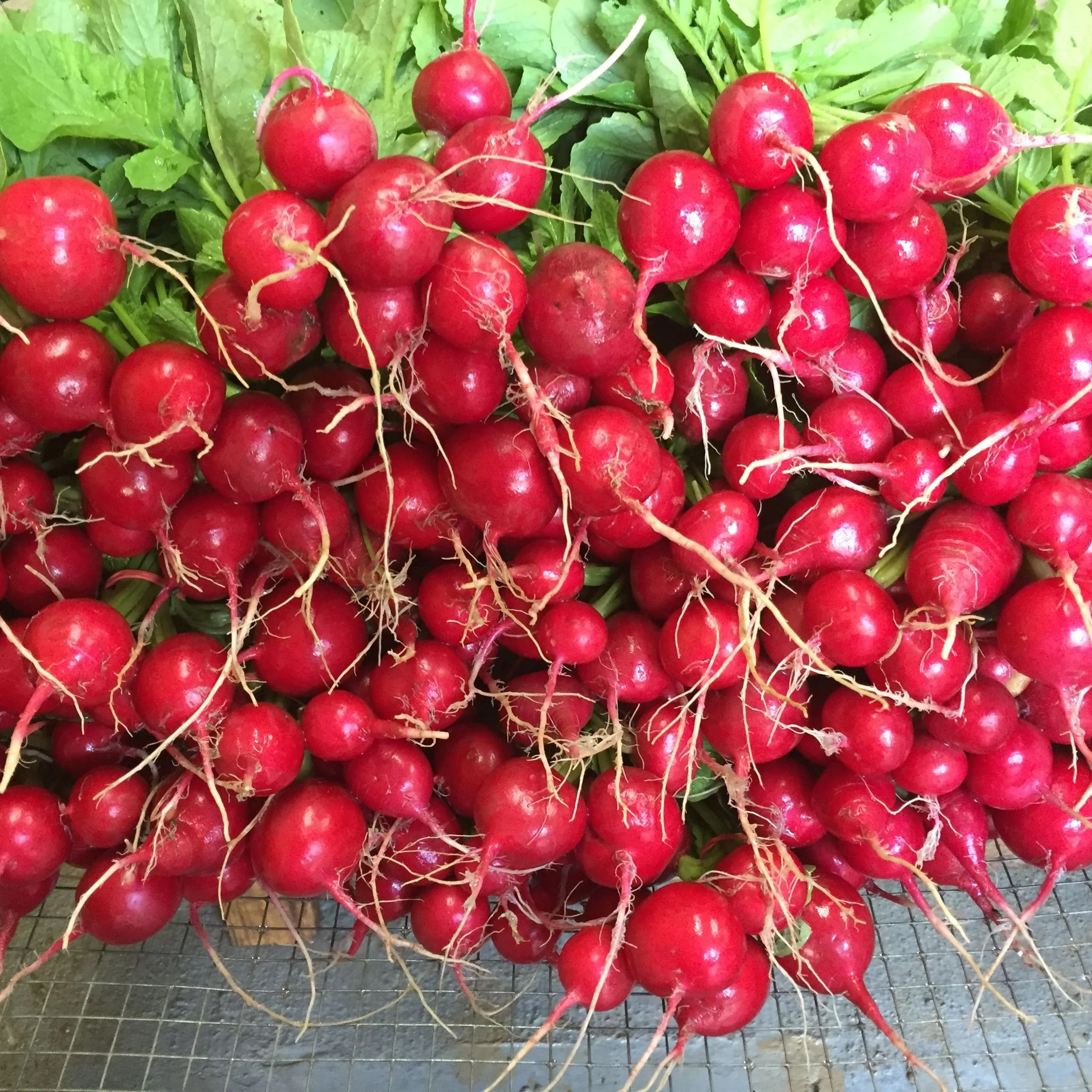
Radishes + Turnips
We recommend putting your radishes in an airtight container of the crisper drawer in your refrigerator after separating the tops (psst - radish tops can be cooked just like spinach, and have a spicy flavor that goes great with vinegar!).
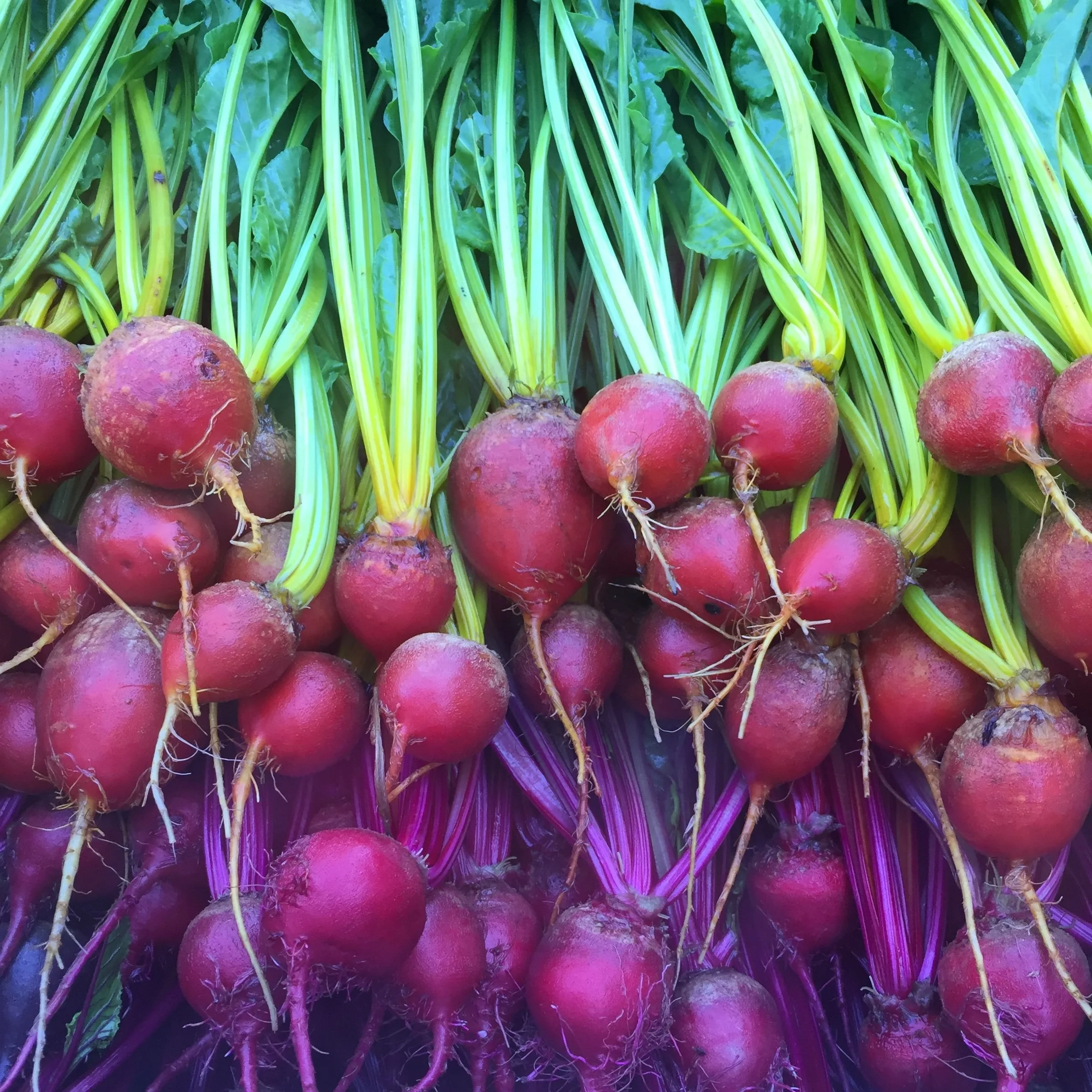
Beets + Carrots
For these staple root crops, it’s best to separate the tops and roots for storage in the refrigerator. Beet and carrot tops typically have a shelf life of about 7-10 days if stored like a regular green with a little moisture in an open bag in your crisper drawer. The roots, however, can keep for many weeks - even months - when stored dry and in an airtight container. Make sure to cut the tops off close to the top of the root so that your root doesn’t try to keep growing greens in the fridge!
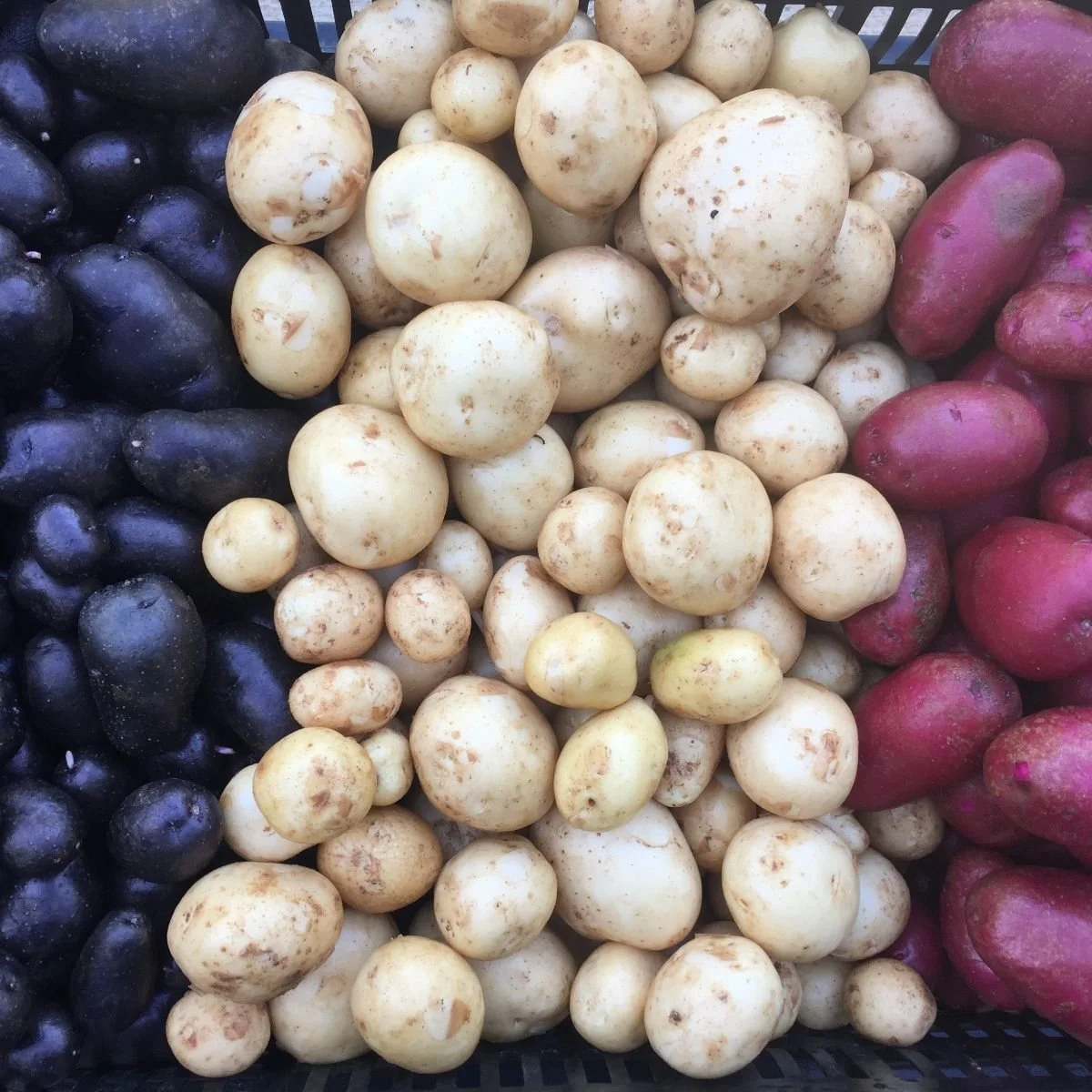
Potatoes & Sweet Potatoes
No need to refrigerate these veggies! Store them in a cool, dark place and allow for air circulation, separate from onions and bananas. Sweet potatoes in particular are susceptible to chill damage, so storing these in the fridge will actually damage them.
We hope these tips help you keep your veggies fresh and last as long as possible! If you ever have questions on a specific item, please reach out to support@moonvalleyfarm.netand we're happy to help! Looking for some new recipes to try? Click below to check out our Veggie Guide!
Our mission is to provide healthy, nutritious, delicious, beautiful and affordable & organic food for our Mid-Atlantic community. We are proud to responsibly steward land in Frederick County, Maryland, and carefully manage our acres knowing our farm is in such an important environmental region surrounding the largest estuary in the US: the Chesapeake Bay.